Restaurant Menu Pricing Strategy: 5 Key Tactics to Utilize

Restaurant Menu Pricing Strategy: 5 Key Tactics to Utilize
A strong restaurant menu pricing strategy is one of the most important drivers of profitability in the food service industry. Pricing plays a huge role in covering supply chain along with directly influencing customer behavior, perceived value, and long-term revenue. Yet many restaurants still rely on outdated spreadsheets or intuition when making pricing decisions.
Today, rising ingredient costs, labor pressures, and shifting customer expectations mean that pricing needs to be more dynamic and data-driven than ever. The most successful operators use structured analysis, real-time insights, and performance tracking to continuously refine their menus instead of setting prices once and forgetting them.
In this guide, we break down five practical tactics that help restaurants build a smarter, more profitable restaurant menu pricing strategy, along with how modern data tools are changing the way decisions are made.
Why Restaurant Menu Pricing Strategy Matters More Than Ever
Menu pricing has a direct impact on profit margins, yet it’s often underestimated. Even small pricing inefficiencies across a menu can significantly reduce overall profitability over time.
A well-structured restaurant menu pricing strategy helps operators:
- Maintain healthy profit margins despite rising costs
- Identify underperforming menu items
- Increase average order value
- Reduce reliance on guesswork
- Align pricing with actual customer demand
With Syphor, your morning briefs become more simple all by automating the process using AI.
1. Use Menu Engineering to Understand Profitability
Menu engineering is the foundation of any effective restaurant menu pricing strategy. It evaluates each menu item based on two key factors: profitability and popularity.
Category
Meaning
Action
Stars
High profit, high demand
Promote and highlight
Puzzles
High profit, low demand
Improve visibility
Plow Horses
Low profit, high demand
Adjust pricing or cost
Dogs
Low profit, low demand
Consider removal
This framework helps restaurant operators stop treating all menu items equally and instead focus on maximizing overall profitability.
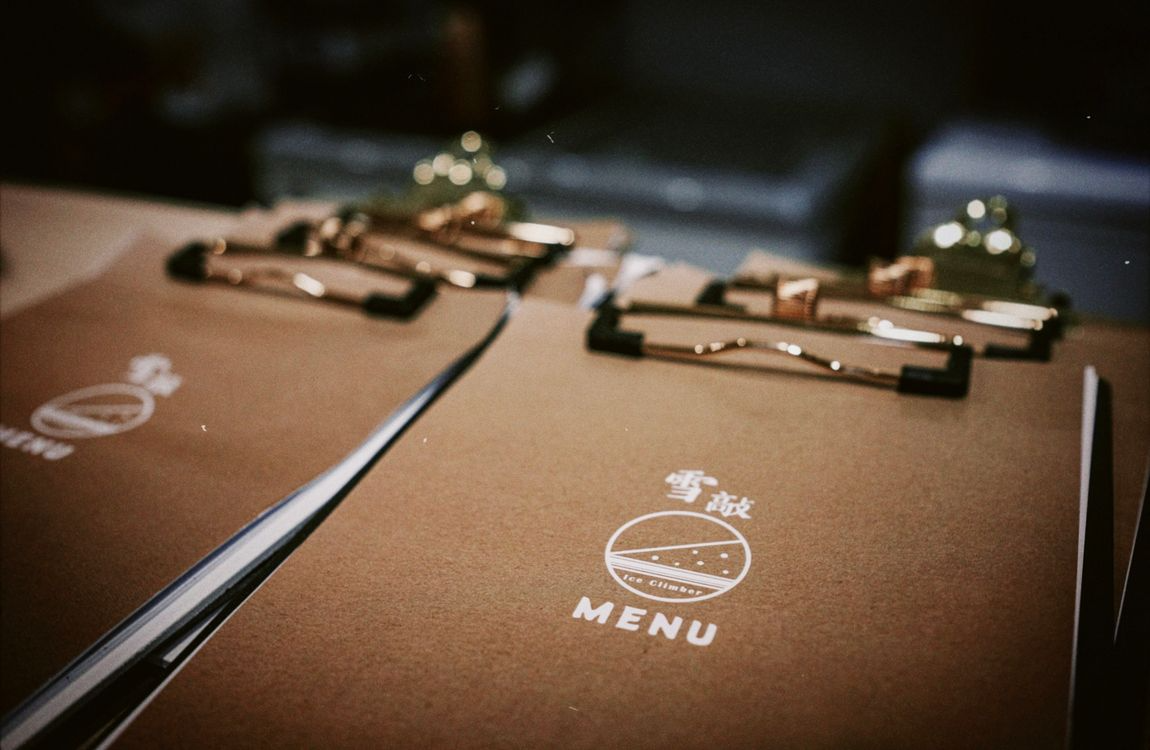
Stylish clipboards holding restaurant menus, perfect for dining theme
2. Base Pricing Decisions on Real Data, Not Assumptions
One of the biggest mistakes in restaurant pricing is relying on intuition instead of operational data. Without accurate insights, pricing decisions can easily become outdated or misaligned with actual business performance.
A modern restaurant menu pricing strategy should consider:
- Food cost fluctuations
- Sales performance by item
- Inventory usage trends
- Labor cost impact
- Customer purchasing patterns
Many restaurants already collect this data but it’s often scattered across multiple systems, making it difficult to interpret quickly.
Platforms like Syphor help solve this problem by connecting existing systems and transforming raw operational data into AI-generated daily insights. Instead of manually reviewing reports, restaurant teams can receive a structured morning brief highlighting key performance changes and areas that need attention.
This allows pricing decisions to be based on what is actually happening in the business, not what happened last month.
14 Top Inventory Management Trends to Know in 2026
3. Apply Psychological Pricing to Influence Customer Choices
Pricing is both mathematical and psychological. The best menu pricing strategy considers customer perception i.e what they choose and how much they spend.
Common psychological tactics include:
Strategy
Example
Effect
Charm pricing
$9.99 instead of $10
Feels cheaper
Anchoring
Premium item listed first
Makes mid-tier items more attractive
Bundling
Meal deals or combos
Increases total spend
Decoy pricing
Three-tier pricing structure
Guides customer choice
Learn about Syphor pricing here
4. Optimize Menu Structure and Item Placement
Where an item appears on the menu can be just as important as its price. Customers naturally focus on specific areas first, and strategic placement can significantly influence sales.
Some menu optimization tactics include:
- Placing high-margin items in top visibility zones
- Limiting overly large menus to reduce decision fatigue
- Using subtle visual cues to highlight signature dishes
- Structuring categories logically for easier navigation
A strong restaurant menu pricing strategy combines pricing with presentation, ensuring that profitable items are both attractive and easy to find.

Overhead view of two friends sitting at a marble table, holding menus and enjoying coffee
5. Use Operational Intelligence to Continuously Improve Pricing
Restaurant pricing should never be static. Costs, demand, and performance change constantly, and pricing strategies must evolve accordingly.
Key metrics that should be monitored regularly include:
Metric
Why It Matters
Food cost percentage
Tracks ingredient efficiency
Item-level profitability
Identifies weak performers
Sales velocity
Shows demand trends
Inventory turnover
Highlights waste or overstocking
Labor cost ratio
Impacts overall margin structure
However, the challenge for many operators is not access to data but speed of interpretation.
Modern operational intelligence tools like Syphor help teams move from reactive reporting to proactive decision-making. By consolidating data from multiple systems and delivering AI-generated daily insights, restaurant operators can quickly identify pricing opportunities, cost changes, and performance trends that directly impact profitability.
FAQs
What is a restaurant menu pricing strategy?
It is a structured approach to setting and adjusting menu prices based on costs, demand, and profitability data.
How often should restaurant prices be reviewed?
Most restaurants review pricing quarterly, but high-cost volatility may require more frequent updates.
What is menu engineering?
Menu engineering is the process of categorizing menu items based on profitability and popularity to improve overall menu performance.
Why is data important in menu pricing?
Data helps restaurants make accurate pricing decisions based on real performance rather than assumptions.
Can AI improve restaurant pricing decisions?
Yes. AI can analyze operational data and highlight trends that help restaurants adjust pricing more effectively.
What is the biggest mistake in menu pricing?
The most common mistake is setting prices without regularly reviewing actual cost and sales performance data.