Best Oracle MICROS Alternative: Modern POS Systems for Your Business
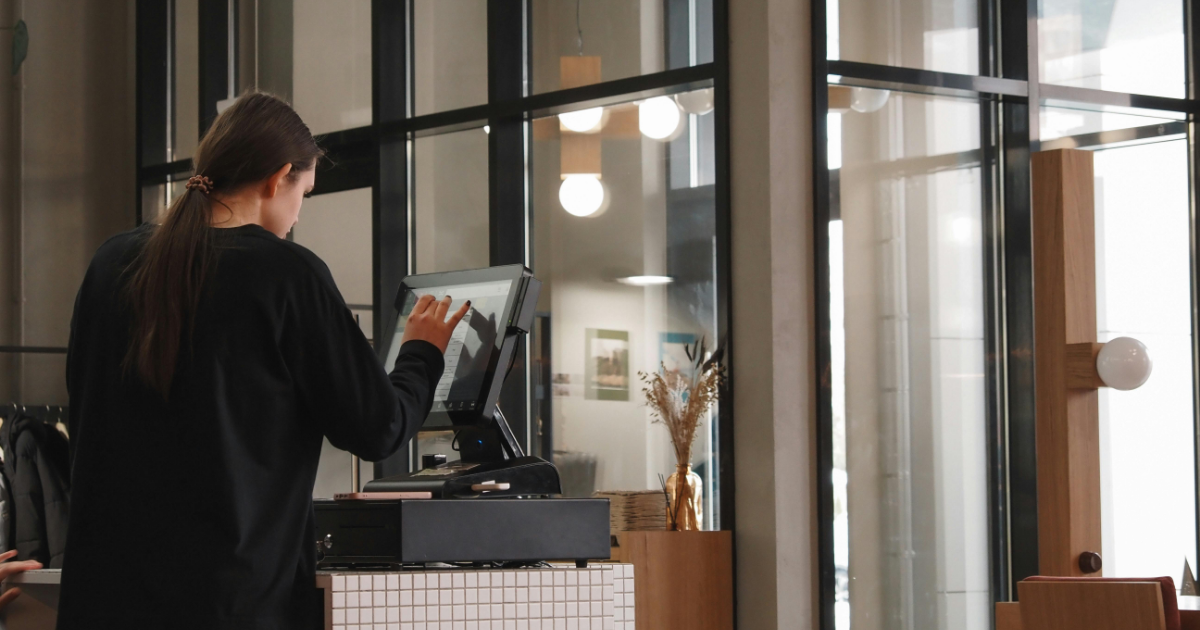
When your POS starts slowing things down during peak hours, that is usually when a MICROS Alternative becomes necessary. It is not something you think about on a calm day. It shows up when things get busy, and your system starts getting in the way instead of helping.
Orders are coming in, your team is moving fast, but the POS feels like it is holding everything back. That gap between what your business needs and what your system can handle is exactly why businesses start looking for something better, something that keeps up without making the job harder.
Why Businesses Are Moving Away from Oracle MICROS
Oracle MICROS is powerful—no doubt about that. But power often comes with complexity, and that is where many businesses start to struggle.
First, the setup is not simple. It can take time, technical support, and training just to get started. For a busy restaurant, that is already a challenge.
Then comes the cost. Licensing, hardware, and add-ons can quickly add up. For small and growing businesses, this becomes hard to justify.
Another issue is usability. During peak hours, staff need something fast and easy. A slow or complicated interface can delay orders and frustrate both employees and customers.
Many features that businesses now expect, like online ordering or loyalty programs, are not always built in. They often require extra integrations.
This is why more businesses are now exploring a MICROS Alternative that feels lighter, faster, and easier to manage.
Check out: What Is a Hospitality POS System and How It Helps Improve Operations
What Modern POS Systems Do Better
Modern POS systems are designed around one idea. Make daily operations simple.
They are cloud-based, which means you can access your business from anywhere. Whether you are at home or managing multiple locations, everything is in sync in real time.
Onboarding is much faster. Instead of weeks, many systems can be set up in hours. That means you can start selling without delays.
They also reduce human error. Inventory updates automatically. Orders sync instantly. Reports are generated without manual work.
Most importantly, everything feels connected. Payments, inventory, customer data, and analytics all work together in one place.
This is what makes a modern MICROS Alternative not just a replacement, but an upgrade.
Key Features to Look for in a MICROS Alternative
Not all POS systems are the same. Choosing the right one depends on what your business truly needs.
Here are the features that matter most:
- Cloud access so you can manage operations anytime
- Inventory management with real-time tracking
- Integrated payments for faster checkout
- Customer loyalty tools to increase repeat sales
- Detailed analytics to track performance
- Offline mode so your business does not stop during internet issues
- Easy integrations with delivery apps and accounting tools
One important detail many businesses overlook is offline functionality. A good system should continue working even if the internet goes down. This ensures you never lose sales. Security is another key factor. Your data should be backed up automatically and protected at all times.
Choosing a reliable MICROS Alternative means thinking beyond features and focusing on stability and ease of use.
Read more: Best Label POS System Providers (Updated List)
Best Oracle MICROS Alternatives to Consider
Here are some of the top options businesses are choosing today:
- Aireus POS
Aireus POS is built for businesses that want simplicity without losing control. It offers a clean interface, fast onboarding, and powerful tools for inventory and reporting. It works well for growing businesses that need flexibility.
Best for: Businesses that want an all-in-one modern solution
Not ideal for: Enterprises needing heavy legacy customization
- Toast POS
Toast is popular in the restaurant industry. It offers strong features for online ordering and delivery.
Best for: Restaurants focused on digital orders
Not ideal for: Businesses outside food service
- Square POS
Square is known for its simplicity and affordability. It is a great starting point for small businesses.
Best for: Small businesses and startups
Not ideal for: Large multi-location operations
- Revel Systems
Revel is a strong choice for businesses with multiple locations and complex needs.
Best for: Multi-location businesses
Not ideal for: Small teams with simple operations
- SpotOn POS
SpotOn focuses on customer engagement with built-in marketing tools.
Best for: Businesses that want to grow customer loyalty
Not ideal for: Those needing deep operational customization
Learn more: Wireless POS System for Restaurants
Oracle MICROS vs Modern POS Systems
Here is a quick comparison to help you understand the difference:
Feature
Oracle MICROS
Modern POS Systems
Setup
Complex and time-consuming
Quick and simple
Cost
High and fixed
Flexible pricing
Access
Limited
Cloud-based
Features
Often require add-ons
Built-in tools
Usability
Moderate
Easy and intuitive
This comparison clearly shows why businesses are shifting toward a smarter MICROS Alternative.
How to Choose the Right POS for Your Business
Choosing the right POS is not just about features; it is about how well it fits the way your business actually runs. A system that looks powerful on paper can still slow you down if it is not the right match.
Start with your business size. A single location needs something simple and fast, while multi-location businesses need more control and visibility. Then look at your budget, not just the upfront cost, but what you will be paying over time.
Also, think about how well it connects with the tools you already use. A POS should work with your system, not against it. Ease of use matters just as much. If your team cannot learn it quickly, it will create more problems than it solves.
Most importantly, think ahead. The right MICROS Alternative should support your growth, not limit it.
Why Aireus POS Stands Out
Aireus POS focuses on what modern businesses actually need. It removes unnecessary complexity and replaces it with speed, clarity, and control.
You get real-time insights, simple inventory management, and a system that your team can actually enjoy using. Instead of slowing you down, it helps you move faster and make better decisions every day.
Request AireusPOS Demo
See how a modern POS can transform your daily operations.
Request an Aireus POS demo today and experience faster workflows, smarter control, and a system built to grow with your business.
Frequently Asked Questions (FAQs)
What is the best MICROS Alternative for restaurants?
A: The best option depends on your needs, but modern cloud-based systems like Aireus POS, Toast, and Square are popular for ease of use and flexibility.
Why should I switch to a MICROS Alternative?
A: Switching helps reduce costs, simplify operations, and gain access to modern features like real-time analytics and cloud access.
Is Oracle MICROS still a good system?
A: It is still powerful, but many businesses find it less flexible compared to newer POS systems designed for modern workflows.
What makes a good POS system today?
A: A good POS system should be easy to use, cloud-based, reliable offline, and capable of handling payments, inventory, and analytics in one place.
Can small businesses use a MICROS Alternative easily?
A: Yes, most modern POS systems are designed for quick setup and require minimal training, making them ideal for small businesses.
How long does it take to switch POS systems?
A: Many modern systems can be set up within a day, depending on your business size and data migration needs.