List of Best Restaurant POS Systems
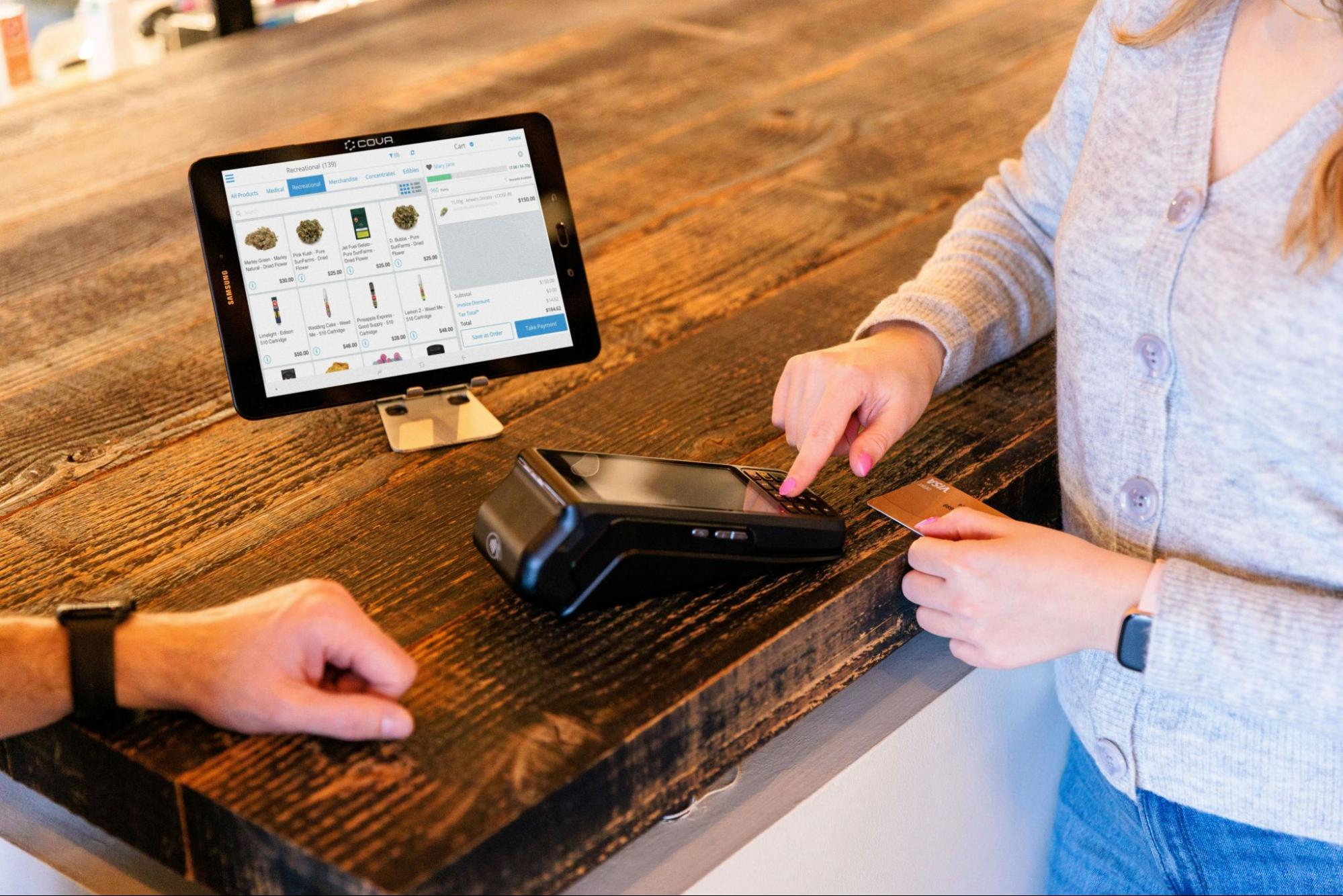
Looking to shift POS systems? Or are you starting a new restaurant? This list of the best restaurant POS systems will make it easier for you to find the right POS, for your business.
With shifting technological trends in cloud computing, mobile ordering, and AI analytics, the global restaurant POS market is evolving rapidly. Today, the availability of various niche POS types has made it critical for businesses to pick the right system for their restaurant.
You Might Also Like: 7 Tips To Make Restaurants More Sustainable
1. Elegant Dine POS (Full-Service Restaurants)

- Custom floor-plan management: Offers dynamic table layouts and reservation support for fine-dining and casual sit-down restaurants. Staff can adapt seating and floor sections spontaneously to maximize throughput and guest comfort.
- Guest profiles & loyalty: Maintains detailed customer data and loyalty programs to encourage repeat visits. Research shows 70% of diners only visit once, so personalized offers are vital for customer retention.
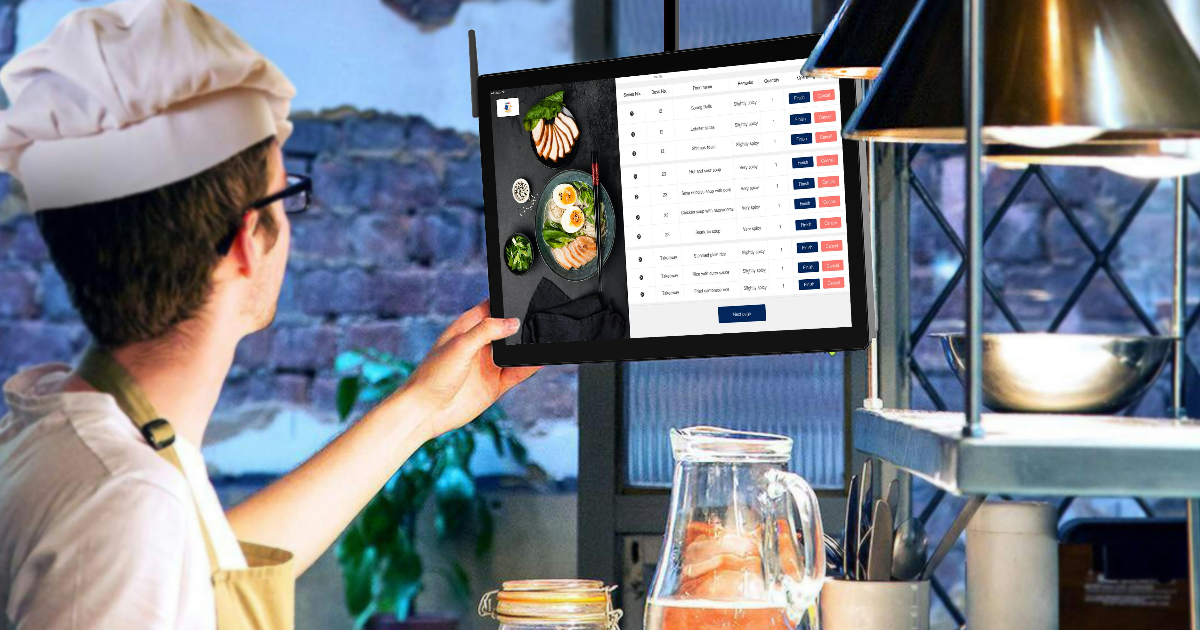
- Integrated kitchen display: Seamlessly routes orders to kitchen and bar screens, minimizing noise and disruptions in the dining area.
Check Out: 7 Pragmatic Advantages of POS Systems in Restaurants
2. Swift Serve POS (Quick-Service and Fast-Casual)
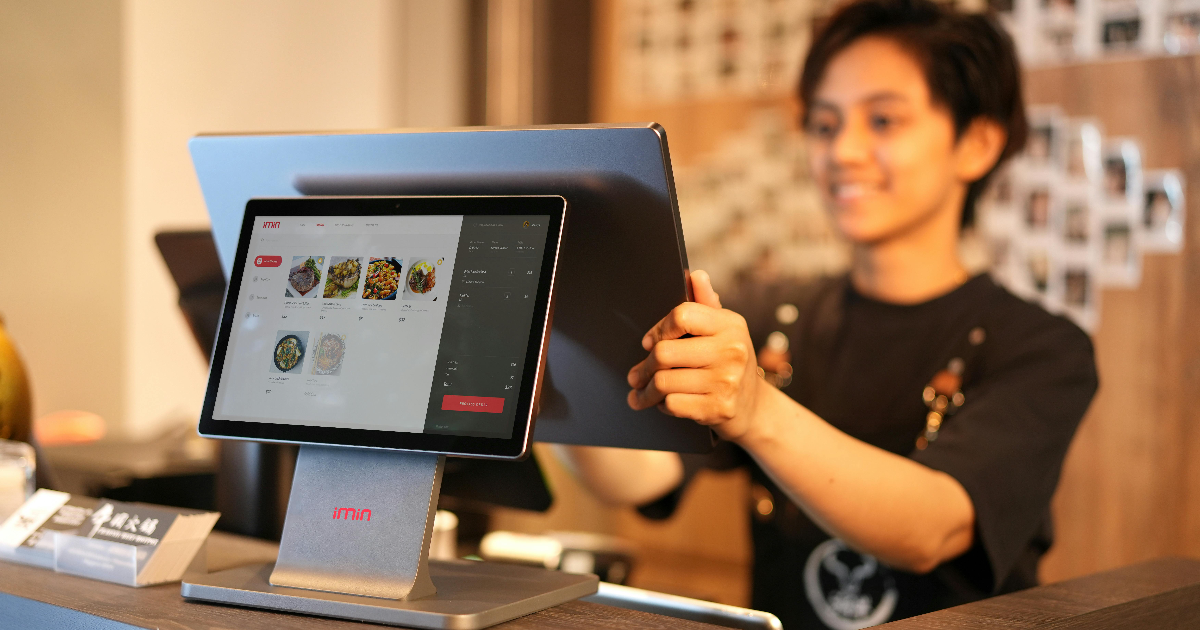
- High-speed ordering: Designed for fast-service chains and quick-casual eateries, Swift Serve POS systems offer a streamlined interface for rapid order entry. This ensures that all orders are processed and delivered quickly for maximum customer facilitation.
- Drive-thru support: With swift service POS, you can efficiently manage drive-thru orders, with added benefits of cook-line optimization and multiple menu variants (e.g., breakfast vs. lunch items).
- Mobile and online integration: Natively connects to mobile apps and delivery platforms so orders flow directly into the system. Enables digital or curbside payment and curbside pickup.
- Upsell prompts & loyalty: Built-in suggestive selling and rewards boost average check size. Drive-thru upselling can specifically boost sales by 40-50%.
You Might Also Like: How to Create a POS System for Your Restaurant
3. Cloud POS (Cloud-Based Systems)

- Anywhere access: A fully cloud-hosted POS lets owners monitor sales, inventory, and labor from any device. This allows restaurants to process updates, menu changes, and pricing rollouts in real-time without on-site server work. Cloud POS adoption is already high, with 71% of restaurants now preferring it.
- Lower IT costs: Software-as-a-Service (SaaS) models eliminate expensive on-premise servers. These minimize the need for costly hardware and IT support, enabling operators to focus on core business.
- Real-time analytics: Immediately tracks transactions and inventory across locations, improving the accuracy of reports and reducing shrinkage. Cloud solutions can also be scaled easily.
- Security: Cloud systems today are great for security, with entire data being stored online, encrypted, and with digital protection. This not only protects data from theft or misuse but also protects in case of physical damage to the restaurant.
Check Out: 15 Must-Have Features in Your Restaurant POS System
4. Mobile POS (Handheld and Tablet POS)
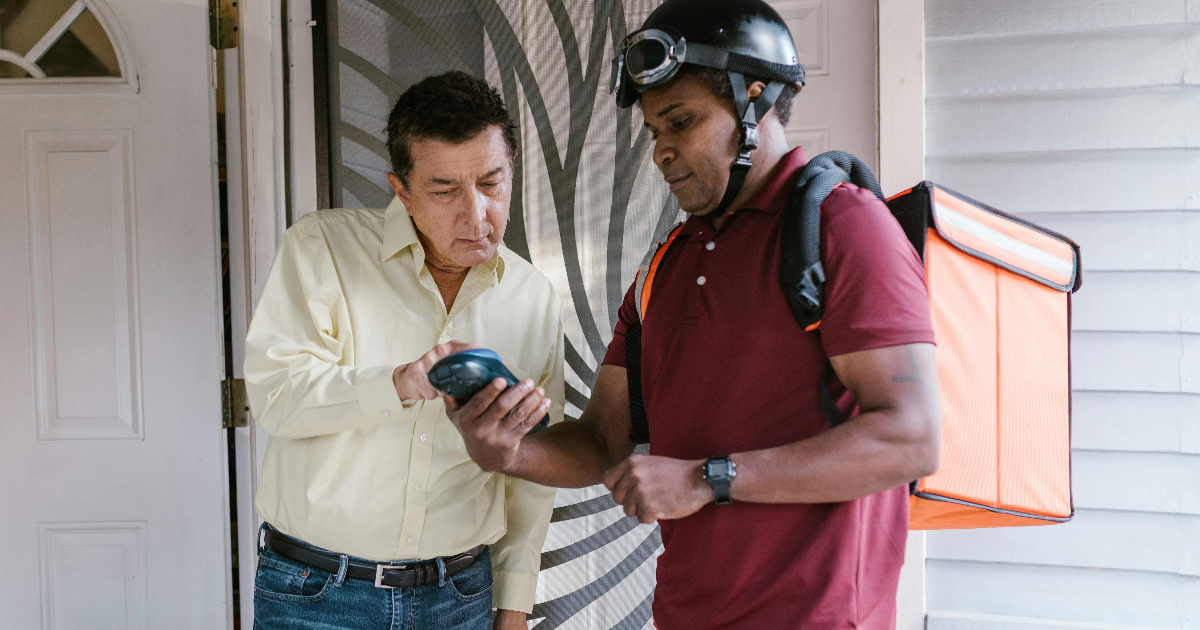
- Table-side ordering: With Mobile POS, staff can use tablets or smartphones to easily take orders and accept payments right at the table. This reduces double-entry and speeds up service, especially during peak hours.
- Contactless payment: Mobile POS systems support NFC and QR-code payments on-device so that servers don’t have to rush back to grab payment devices at bill times. With mobile wallets and tap-to-pay methods surging, mobile POS devices are critical to reduce the time spent per client.
- Offline mode: Includes offline functionality so even if Wi-Fi drops, transactions are stored locally, and to be synced later. This ensures 24/7 uptime and no lost sales.
Explore: How to Use iPad as Point of Sale?
5. Self-Serve Kiosk POS (Automated Ordering)
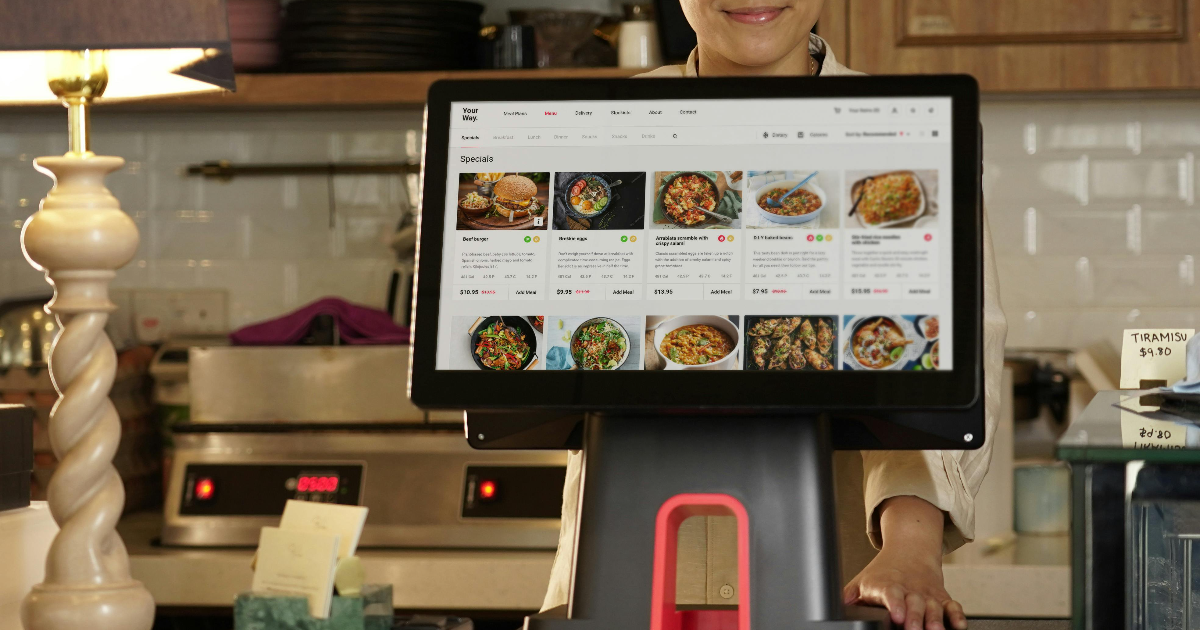
- Digital kiosks: Customer-facing kiosks or wall-mounted tablets allow guests to order and pay without staff. These systems reduce labor costs and speed up quick-service workflows. The self-service kiosk market is rapidly growing (CAGR of 5.5% from 2025 to 2037). With 84% of Gen Z customers preferring kiosks, now is the perfect time to adopt the technology.
- Touchscreen menus: Intuitive touch interfaces with upsells (e.g., extra toppings or add-ons) encourage higher check averages. Over 50% of customers spend more at a self-service kiosk vs. when ordering face-to-face.
- Easier communication: Kiosks with multi-language support are great to support diversity and increase sales, especially in tourist and urban areas.
- Seamless integration: Orders from kiosks feed directly into the main POS and kitchen display. Real-time menu updates (promotions, sold-out items) ensure consistency across all channels.
You Might Also Like: How to Implement AI in the Hospitality Industry
6. Bar POS (Bars, Pubs & Breweries)
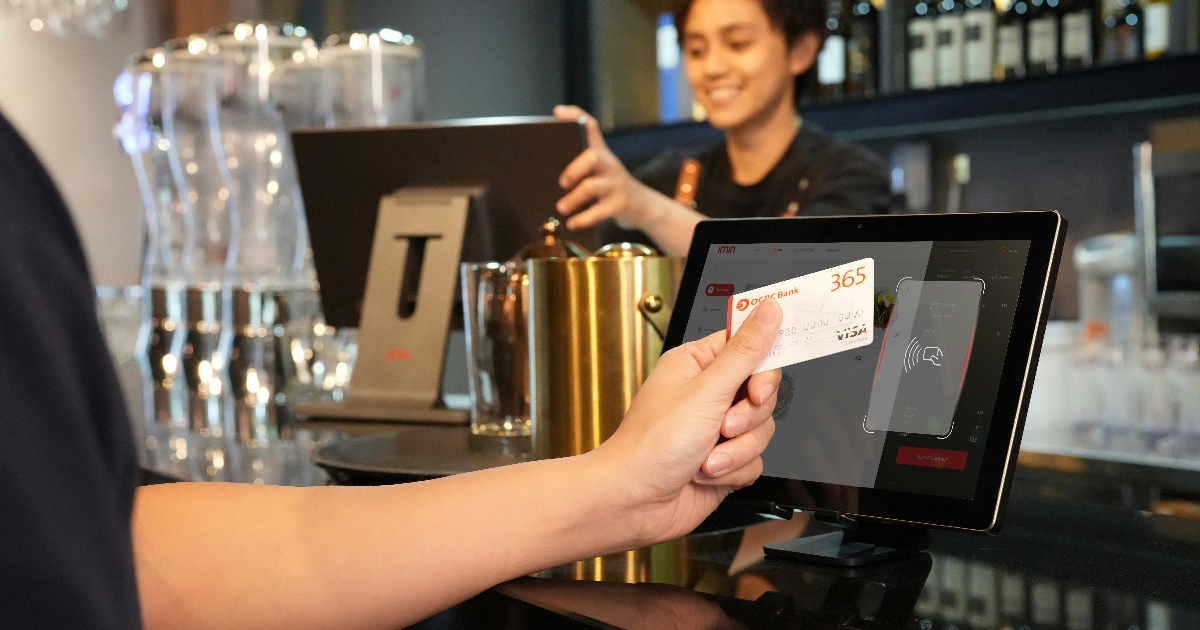
- Tab and tip management: Facilitates bar tabs, split checks, and fast bartending. Staff can open tabs quickly and apply tips at the end, even allowing pay-at-table via mobile devices. This is especially great for crowded bars where everything has to be fast and quick.
- Beverage-centric inventory: Tracks liquor, draft beer, and cocktail ingredients by the pour. Custom barcode scanning and recipe modules can help monitor costs and stock levels precisely.
- Happy hour and event pricing: Enables rapid price adjustments for specials (e.g., happy hour discounts), seasonal rushes, and discounts. Provides drink-specific analytics (best-selling beers, profit per cocktail) to guide purchasing.
Check Out: How to Improve Speed of Service in Restaurants [2025 Updated]
7. AireusPOS (All-in-One Restaurant POS)
- iPad & Mac integration: AireusPOS runs on Apple hardware (iPads and Mac Mini touchscreens), delivering a sleek interface. It emphasizes ease of use and 24/7 reliability.
- Granular functionality: Every aspect is customizable with AireusPOS. From floor plans and table layouts to employee roles and tax configurations, you can easily configure your POS as needed. The system can be tuned to any service style, ensuring tailored performance.
- Enterprise readiness: AireusPOS handles multi-unit support and reporting. Real-time analytics dashboards give managers visibility across locations in a matter of seconds. Powerful back-office tools cover inventory, accounting exports, and customer databases.
- Hospitality focus: Built exclusively for restaurants and hotels, AireusPOS includes features like kitchen display integration, loyalty programs, and mobile guest ordering. Simply put, AireusPOS transforms restaurant management into a seamless experience with an intuitive design.
- Everything else: In addition to these key factors, AireusPOS also supports many other features, including mobile ordering, cloud support, and AI-based reports.
From cloud kitchens to service style support, the right POS makes all the difference. Get in touch with AireusPOS today and get multiple functionalities with one service.
Frequently Asked Questions (FAQ)
Q: Are mobile or tablet POS terminals secure?
Yes. Modern mobile POS solutions use encrypted connections and tokenized payments. They meet industry security standards (like PCI compliance) just as traditional terminals do. Most also offer automatic updates to patch any vulnerabilities.
Q: Can a POS system integrate with delivery apps?
Many modern POS solutions connect directly to delivery and third-party ordering apps. This automates online orders into the kitchen workflow, eliminating manual entry and reducing errors, which is crucial as online delivery grows rapidly in the industry.
Q: What should restaurants look for in a POS demo?
Restaurants should ensure the POS demo showcases features important to their operation: fast order entry, easy menu changes, staff training ease, and reporting, etc. They should ask for real-world scenarios like split checks or rush-hour ordering. Support and hardware options (iPad, touchscreen registers, etc.) are also key considerations.
Q: What’s the difference between legacy and modern restaurant POS systems?
Legacy POS systems are typically on-premise and require in-house servers and IT maintenance. Modern systems are cloud-based, offering remote access, real-time updates, and lower upfront hardware costs. Cloud POS solutions are also easier to scale and integrate with third-party apps.
Q: Can I switch POS systems without losing my data?
Yes, many POS providers offer data migration services. However, the ease and cost of migration depend on both the current and new POS platforms, so confirm compatibility before switching.
Q: Are there POS systems that support multiple restaurant brands under one account?
Yes. Enterprise-ready POS systems like AireusPOS offer multi-location and multi-brand support. These allow you to manage separate menus, teams, and pricing across brands easily.