How to improve speed of service in restaurant
In today’s fast-paced world, knowing how to improve speed of service in restaurant operations is essential. Fast, efficient service not only enhances guest satisfaction but also drives revenue and builds loyalty.
In this guide, you’ll discover actionable insights for running operations smoothly and improving the speed of service in your restaurant.
You Might Also Like: Why Apple POS and Aireus are ideal for your business
1. Measure and Analyze Your Current Service Speed
i. Track Every Step:
You can’t improve what you don’t measure.
Break down your service into stages (e.g., wait to be seated, time to greet, ordering, food preparation, etc.) and track how long each step takes on average. Use a stopwatch or your POS system’s timestamp features to collect baseline data.
- Use this information to identify which stages may require improvement.
ii. Leverage POS Reports and Cameras:
Modern POS systems timestamp orders and payments, allowing you to pull reports on ticket times. Some restaurants even use video analytics to monitor how long customers wait in line or at tables.
- Use these tools to identify bottlenecks. For instance, if drinks consistently take 10+ minutes to arrive, bar service might be the choke point.
iii. Gather Guest Feedback:
Don’t rely only on internal metrics. Check your comment cards and online reviews, and ask guests directly about their experience.
- A simple question like “How was the timing of your meal?” can reveal if your perception of speed matches the customer’s.
2. Empower Your Team with Training and Staffing
i. Schedule Smart:
The best way to speed up service is to have the right staff at the right times.
- Use sales forecasts and reservation data to staff up for peak hours.
- Put your top performers on the busiest shifts. Experienced servers and cooks work faster and handle pressure better.
- Avoid scheduling all newbies on a Friday night.
ii. Cross-Train Your Crew:
During rush hours, utilize the staff’s ability to adapt quickly and take on multiple roles seamlessly. Cross-trained employees can jump in wherever needed, preventing one station from dragging down the whole operation.
- If the bar is backed up, a cross-trained server can help pour beers. If the fry cook is overwhelmed, a prep cook can assist with the fryer.
iii. Set Clear Service Standards:
Define concrete but realistic speed of service goals for each stage and stick to them. Targets may differ by service type. For example, a quick-service spot might aim for a 3-minute order turnaround, whereas fine dining would focus more on prompt greeting and paced courses.
- Greet guests within 30 seconds, deliver entrees within 15 minutes, and process payments within 2 minutes. Adjust these standards based on your restaurant's needs.
- Post or stick up these targets so staff are continuously aware and accountable.
iv. Instill a Sense of Positive Urgency Among Staff:
Speed should never come at the cost of hospitality. Teach your staff the art of moving “fast but not frantic”.
- Simple habits like walking with purpose (not running) or always having full hands in (FHI), full hands out (FHO) when going to and from the kitchen can prevent wasted trips.
- Managers should reinforce these behaviors on the floor in real time, offering gentle reminders, with appreciation when they see efficient teamwork.
v. Enhance Internal Communication:
It is important to encourage a culture where servers, hosts, bussers, and kitchen staff communicate continually about what’s needed next to avoid mistakes.
- Some busy restaurants even use headsets or walkie-talkies for instant communication between the front and back of house. For example, the host can alert when a large party is seated so the kitchen can start prepping bread baskets.
- Even without special gear, a well-briefed team that talks to each other will avoid duplication and delays.
- Regularly review and update your communication protocols through team debriefs and feedback sessions to identify bottlenecks and misunderstandings.
Check Out: What is a Cloud POS System
3. Streamline Front-of-House Workflows

i. Table-Side Ordering Tech:
Eliminate the lag between taking an order and sending it to the kitchen. Equip servers with handheld tablets or mobile POS devices to send orders directly from the table to the system.
- If new items are out of stock or an upsell suggestion pops up, the server can see it live and immediately communicate to the guests.
ii. Improve Order Accuracy:
Nothing slows down service like having to remake a dish because the order was wrong. One small mistake can add several minutes to a guest’s wait and hurt your speed metrics.
- Emphasize techniques for accuracy. Servers should write down orders (or enter them in the POS) in front of the guest, repeat the order back to confirm, and double-check modifications.
- The server should have a list of common allergens and prompts for the customer (such as “Steak temperature?”) to ensure no detail is missed.
You Might Also Like: AI-powered POS Features for Restaurants
4. Optimize Back-of-House Efficiency
i. Organize for Speed:
Every second counts in the kitchen. A well-organized set-up not only reduces movement but also improves workflow efficiency by eliminating unnecessary steps.
- Organize equipment and prep areas so chefs don’t have to waste steps.
- Keep all ingredients for a given station within arm’s reach. For example, at the grill station, buns, condiments, and toppings for burgers should all be together, and not across the room.
- Regularly ask your back-of-house team for ideas to rearrange tools or supplies to remove friction.
ii. Use Kitchen Display Systems (KDS):
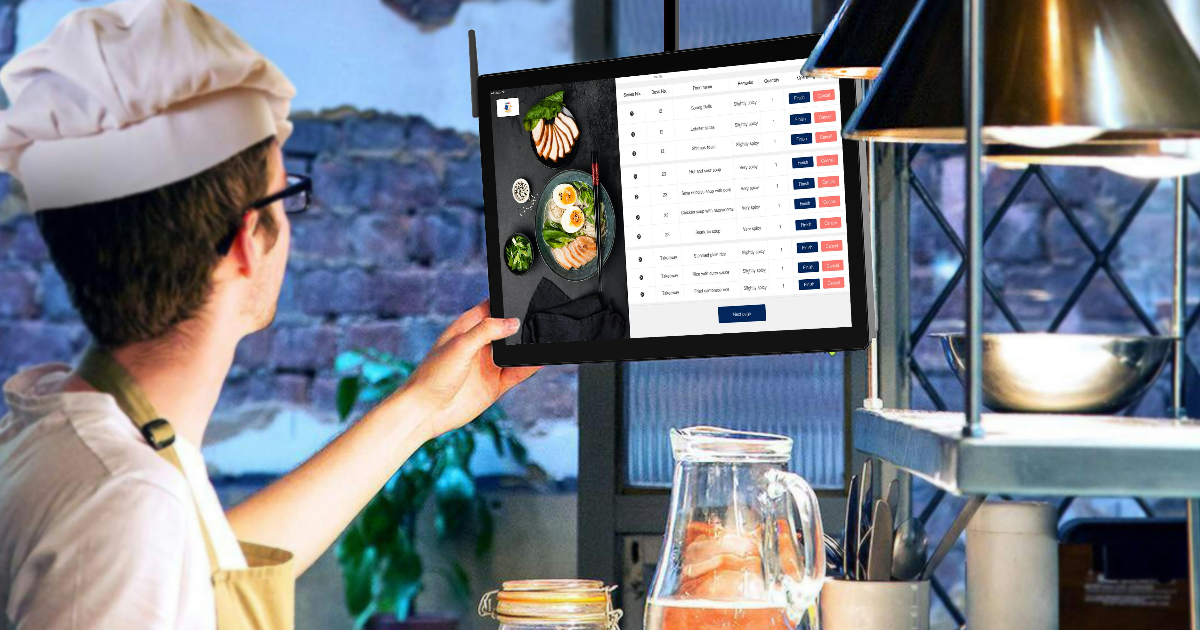
Replace old-school paper tickets with a digital KDS to revolutionize your back-of-house speed and efficiency.
- A Smart KDS on iPad instantly displays orders to the whole kitchen, prioritizes tasks, and even sequences cooking times for different items.
- By bridging the communication gap between front of house and kitchen, an integrated POS and KDS can speed up order fulfillment and reduce errors.
Check Out: Custom-built POS Solutions
5. Embrace Technology and AI Solutions
i. Modern POS Integration:
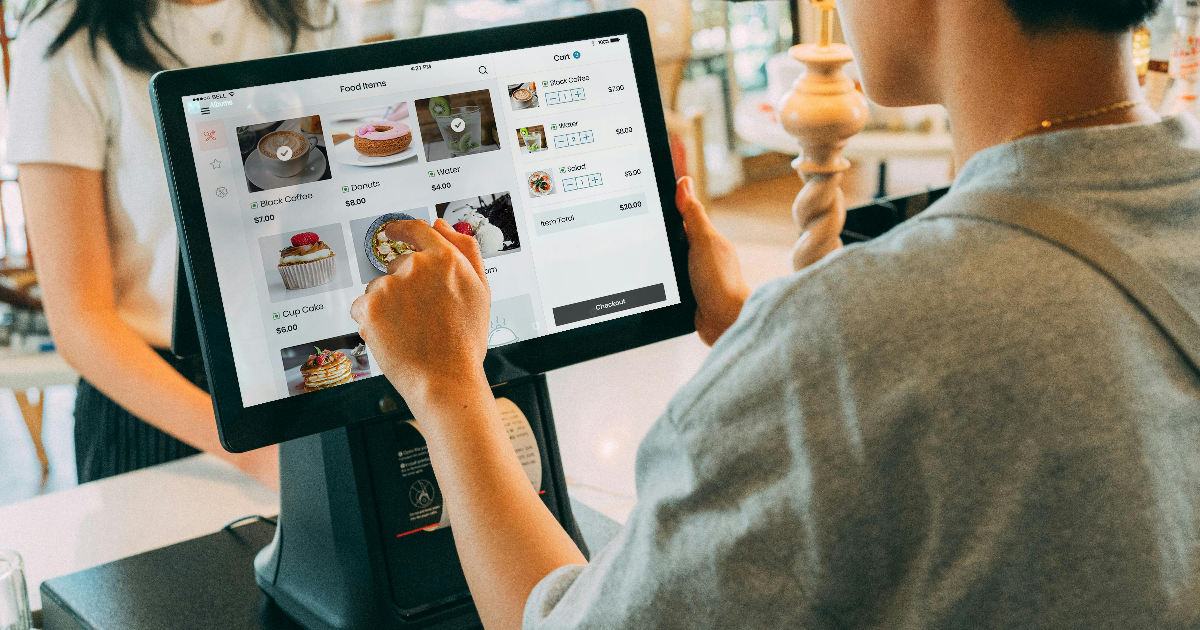
An up-to-date, AI-powered POS system makes the heart of a speedy restaurant today. By integrating your orders, processes, and payment systems, AI and modern POS systems can play a central role in improving your speed of service.
ii. AI-Powered Demand Forecasting:
AI tools can crunch historical sales, weather, events, and even social media trends to forecast rush hours and popular menu items. With these predictions, you can staff appropriately, prep the right amount of ingredients, and adjust cooking schedules. Data-driven decisions with AI ensure you’re always a step ahead.
- If AI predicts a spike in orders for a certain dish on a certain night, the kitchen can pre-prep ingredients.
- If it forecasts an unexpected lull, you can send an extra server home early or start closing side stations to save labor.
Want to simplify operations and maximize profits? Reach out to AireusPOS and discover cutting-edge POS technology for your restaurant.
FAQs (Frequently Asked Questions)
Q. How often should I measure and review service speed metrics?
A. To truly see progress, you should review service speed data weekly or bi-weekly. Track trends over time and do monthly deep dives to adjust staffing or processes as needed.
Q. How can I train my team without disrupting current operations?
A. Introduce micro-training sessions before or after shifts, focus on one topic at a time (like upselling or order accuracy), and use shadowing or mentoring during slower shifts to gradually build skills without hurting current service speed.
Q. Is it really worth investing in table-side ordering tech for a small restaurant?
Yes, especially during peak hours. Even one or two handheld devices can reduce order entry time and mistakes. Many systems offer affordable entry-level options with quick ROI in guest satisfaction and table turns.
Q. What are some low-cost ways to streamline back-of-house operations?
A. Simple layout changes, labeling stations clearly, color-coding ingredients, or using prep lists can significantly reduce friction. Regularly involve your kitchen staff in brainstorming, discussions, and plans.
Q. What’s the best way to introduce new technology to a resistant team?
A. Involve them early. Show how the tech makes their jobs easier, not harder. Provide hands-on training, appoint a “tech champion” on staff, and celebrate small wins.