How to Implement a Self Service Kiosk At Your Restaurant/Cafe
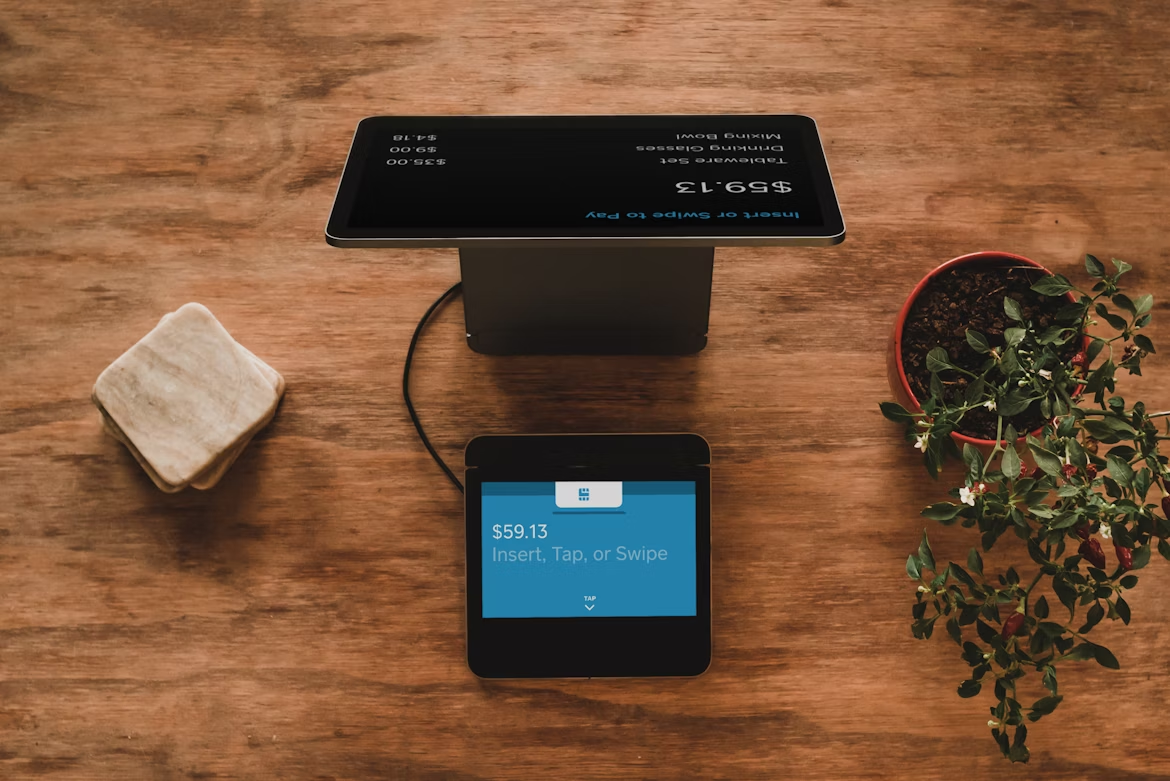
There’s an “unattended solutions” revolution happening right now under your nose. And the self-service kiosk is at the center of it for restaurants and cafes.
Revolution because an overwhelming amount of people - vendors and customers alike - are already on the train. That’s right, four of every five Americans say that they prefer self-service kiosks to staffed checkouts.
Basically, it’s a must-have for every serious food service establishment right now.
So knowing how to implement a self-service kiosk at your restaurant/cafe is almost literally going to make over half of the customers at your establishment feel more at home. That’s why in this article, we’re going to discuss:
- The different types of self-service kiosks
- Benefits of self-service kiosks and if your type of food service establishment is geared to tap into benefits.
- What to do if your establishment may not be ideal for the self-service kiosk you want, or, if the current one you have is not working with customers.
Let’s get right into it.
How to implement a self-service kiosk in your restaurant.
- Decide if your restaurant is a good fit for a self-service kiosk
- Select what type of self-service system works best for your restaurant
- Select a vendor
- Engage and train your staff
- Customize and test, preferably in a hybrid system with the traditional staffed ordering system still in place
- Determine the kiosk’s placement
- Monitor customer feedback and iterate on any of the above steps
Now, let’s dive into some of the advice in this step-by-step guide.
What are the benefits of self-serve kiosks?
Let’s go through some of the reasons why you should implement a self-service kiosk.
- Reduce Congestion (peak times): Self-service kiosks reduce congestion significantly. In fact, a study carried out in an airport terminal experiencing 500 passengers per hour showed that self-service kiosks reduced congestion by as much as 49%.
And if you run a Quick Service Restaurant (QSR) or something that’s similar in the sense of having long queues, then a self-service kiosk will definitely come in handy. Some of the things that’d normally take up time like errors in the order or misheard orders, difficulty understanding what’s on the menu, etc., is basically eliminated.
- Increased Check Sizes (Upselling & Cross-selling): The self-service kiosk is the ideal tool to present non-intrusive add-on prompts for the customer at your food service establishment.
With the aid of AI, these prompts can be even more effective if they’re targeted to the customer based on their past selections.
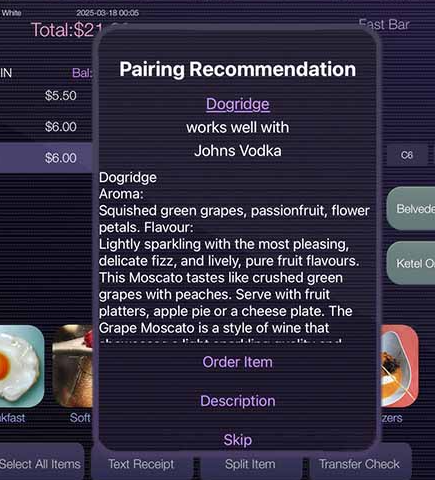
This is a key role of the self-service kiosk, perhaps even more than reducing congestion, because a self-service kiosk will suggest upsell opportunities far more consistently than an actual staffer.
As Shake Shack CEO Robert Lynch said, “Sometimes that is not always a priority for employees when you’ve got 40 people in line. You’re trying to get through it as quick as possible.”
The end result is that your restaurant’s average order value, or AOV, will increase and consequently, your revenue. There’s proof from other companies, so let’s take a look at some of those examples:
- McDonalds Self ordering implementation helped increase their revenue by 30%
- Taco Bell saw customers on their digital self-ordering system spend 20% more than those whose orders were taken by human cashiers.
- Chili’s saw a 20% increase in desert orders when upselling prompts were presented to customers.
- And perhaps the most crucial one of all, is Cinemark theater’s self-service kiosks that saw people bite at upsell-prompt bait and directly contribute to sales for 32 straight quarters. That consistency says a lot about the benefits of self-service kiosks.
- Better Inventory & Sales Management: Through data collection from your kiosk, you can monitor performance and sales trends.
We already mentioned that these trends can help with things like targeted upselling prompts to the customer. But with a tool like Aireus Insights , for example, you can also create strategies that work.
This is key.
As many people know, one of the key decisions the original McDonalds brothers made was to shutdown their restaurant for three months and then come back with a menu of just nine items they had observed were the most optimal, based on demand. And they didn’t have the kinds of analytics you have at their disposal today with tools like Aireus.
- Marketing Tool (when idle): Your self-service kiosk is a marketing tool. It’s that simple.
Not just through add-on prompts when the customer is placing an order, but also through the entire screen real-estate when the kiosk is idle.
In fact, remember the 20% increase in dessert order that Chili’s saw in their restaurant? Well, the advertisement for said deserts were placed on the self-service kiosk while the customers engaged in their main course. So that before they were done, they could place yet another order for dessert.
What if your self-service kiosk hasn’t been successful?
If the ROI for your self-service kiosk has been disappointing, especially in comparison with your regular staffed orders, these are some of the potential reasons:
- Your establishment is not the ideal self-service kiosk type: Quick service and casual dining restaurants are suitable restaurant types for self-service kiosks. These establishments are well-acquainted with long queues during peak hours, and establishments like McDonalds and Taco Bell suit the system best. If your establishment is a fine dining restaurant, for example, even internet users know that you cater to people who care more about the experience. And replacing the traditional ordering system may have an adverse effect.
- Your customer base does not favor the self-service kiosk system: Although most Americans say they prefer the Self-ordering systems, there are variances across demographics.
For example, 84% and 76% of Gen Z and millennials respectively prefer self-ordering kiosks to the traditional system. Meanwhile, older people are still split on whether they love it or not. Adoption may be harder for these people as they may need more training (your staff too).
So you need to check that your audience is in tune, otherwise, find other solutions.
- The self-service system may be in the wrong form factor: If your restaurant isn’t the ideal type, then you could look at another form factor that works best.
You see, the self-service kiosk is not the only way to get customers to enjoy the self-service experience. One other more efficient way is mobile self-ordering services like the one Taco Bell used to get its customers to spend 20% more.
- Your system provider may be lacking key features: There are key things that your self-service kiosk has to have to be good for your business. For example:
- The kiosk has to allow for data collection and analytics
- The kiosk has to integrate with a POS system. This allows for the orders to sync with the existing workflow from kiosk to the Kitchen Display System, payments, and cloud for data storage.
- Adoption must be easy or made easy through training.
- Self-ordering capabilities via mobile orders should be available for even better space management during peak congestion periods.
When you consider all of these, the most ideal platform for setting up your self-service kiosk is Aireus.