What Is a Hospitality POS System and How It Helps Improve Operations
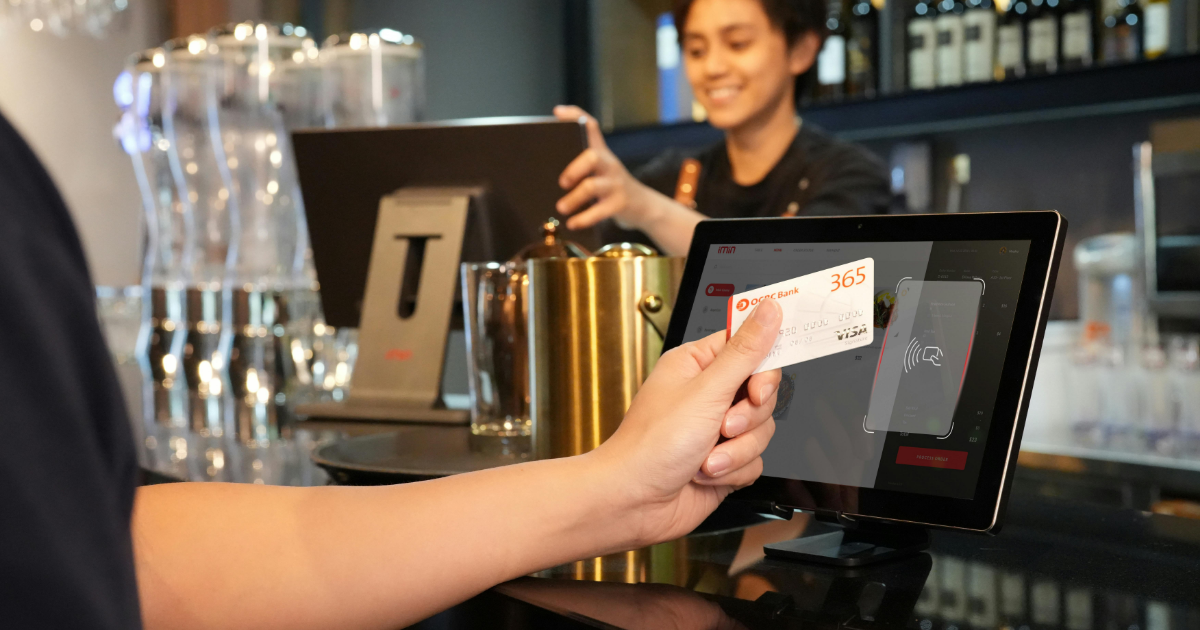
A hospitality POS system is more than just a billing tool. It is the system that keeps your hotel or restaurant running smoothly every single day.
From taking orders and processing payments to syncing room charges and tracking revenue, it connects everything in one place. When it works well, service is faster, errors are fewer, and guests leave happier. That is the real difference the right system makes.
Check out: Best Label POS System Providers (Updated List)
What Makes a Hospitality POS System Different?
A hospitality POS is not the same as a retail or simple restaurant POS. It is built to handle complex operations across multiple service areas.
Here’s how it differs:
- Multiple revenue channels: Hotel front desk, restaurant, bar, spa, banquet halls, room service, gift shop, and minibar all need syncing.
- Integration with PMS: Charges from food, bar, or services must post directly to the guest folio.
- 24/7 availability: Hospitality never sleeps. Your POS must always be live.
- Offline mode: Internet outages should never stop transactions.
- Detailed reporting: You need real‑time insights for multiple outlets.
Without these capabilities, a simple POS leads to slow checkout, missed charges, and fragmented data. A hospitality POS system solves these issues at the source.
Key Features of a Hospitality POS System
A strong hospitality POS system includes a set of features designed for operational efficiency:
1. Real‑Time PMS Integration
Your POS needs to sync with your Property Management System, so that charges automatically post to guest folios without manual entry.
2. Multi‑Outlet Management
Separate systems for restaurant, bar, spa, and banquet cause data silos. A hospitality POS consolidates all outlets into a unified dashboard.
3. Offline Transaction Capability
If internet connectivity drops, transactions are still processed locally and sync back once the connection is restored.
4. Payment Processing & Security
Integrated payment gateways reduce errors, speed checkout, and protect guest card data with PCI compliance and encryption.
5. Central Reporting and Analytics
Get real‑time revenue insights, outlet performance data, and customizable financial reports in one place.
6. User Roles and Permissions
Control who can process refunds, close tabs, or access sensitive reports with role‑based access.
7. Mobile and Tablet Support
Servers and staff can take orders, process payments, and update folios from anywhere on site using tablets or mobile devices.
You might like: Wireless POS System for Restaurants
How a Hospitality POS System Improves Daily Operations
A good hospitality POS system changes the way your business runs every day. Here’s how:
1. Faster Service Speeds
Long lines and slow check‑outs frustrate guests. A hospitality POS system speeds up order entry, payment processing, and room posting so your team spends less time on screens and more time with guests.
Most guests expect speedy service. Slow operations lead to negative reviews and lost repeat business.
2. Fewer Billing Mistakes
If your POS does not sync with the PMS or if your staff manually enters room numbers, mistakes happen. Wrong charges lead to refunds, disputes, and unhappy guests.
A hospitality POS system eliminates manual entry by auto‑validating guest information, reducing errors before they happen.
3. Better Financial Visibility
When data is scattered across different systems, it becomes difficult to pull accurate revenue reports. A hospitality POS consolidates sales from all outlets, helping you see daily revenue, identify top-selling items, and spot trends quickly.
This level of visibility helps you budget smarter and make faster decisions.
4. Reduced Operational Bottlenecks
Internet outages, disconnected systems, and outdated software slow your business down. Offline modes, real‑time syncing, and unified dashboards keep operations running smoothly, even during peak hours or network interruptions.
5. Simplified Staff Training and Lower Turnover Impact
Training new staff is easier when your POS has a simple, intuitive interface. Role‑based permissions also reduce mistakes, as staff only see what they need to perform their roles.
Less confusion means fewer refunds, voids, or misplaced orders.
6. Enhanced Guest Experience
At its core, a hospitality POS system improves guest satisfaction by:
- Reducing wait times
- Ensuring accurate billing
- Offering secure payments
- Providing fast room service and event billing
Guest satisfaction directly ties to revenue. Happy guests stay longer, spend more, and return.
Hospitality‑focused systems like those offered at Aireus POS are built around these core needs, making operations smoother and more efficient for hotels and venues of all sizes.
Read more: How to Use AI in Restaurants? Expert Guide
Quick Comparison Table
Here’s a snapshot of key operational areas and how a hospitality POS system helps:
Operational Area
Common Challenge
How POS Helps
Billing & Payments
Manual errors
Auto posting & PCI compliance
Reporting
Fragmented data
Real‑time consolidated analytics
Connectivity
Outages
Offline mode with sync
Guest Services
Slow service
Mobile ordering & fast checkout
Staff Training
High turnover
Intuitive UI & role permissions
Signs You Need a Hospitality POS Upgrade
Ask yourself:
- Are staff manually correcting charges?
- Do you struggle with slow checkout?
- Is reporting fragmented across outlets?
- Are guests complaining about billing errors?
- Does your system freeze during peak hours?
If you answered yes to any of these, it may be time for a more complete hospitality POS solution.
Book Aireus POS Demo
Stop managing errors and disconnected systems. Upgrade to a smarter hospitality POS system that keeps everything in sync.
Book your Aireus POS demo today and see how smoother operations can increase revenue.
Frequently Asked Questions (FAQs)
1. How does a hospitality POS system integrate with a Property Management System?
A: A hospitality POS system connects directly to your PMS through real-time APIs, automatically posting restaurant, bar, spa, and room service charges to guest folios without manual entry.
2. What features should hotels prioritize when choosing a hospitality POS system?
A: Hotels should prioritize certified PMS integration, offline mode, multi-outlet reporting, secure payment processing, event billing tools, and real-time analytics for better operational control.
3. Can a hospitality POS system reduce billing errors and guest disputes?
A: Yes, automated room validation, real-time syncing, and permission controls significantly reduce wrong postings, duplicate charges, and checkout disputes.
4. Is cloud-based or hybrid better for a hospitality POS system?
A: A hybrid system with cloud access and local offline capability is ideal, ensuring continuous operations even during internet outages.
5. How does a hospitality POS system improve revenue management?
A: It provides consolidated reporting across outlets, tracks high-margin items, monitors staff performance, and identifies revenue leakage in real time.
6. How long does it take to switch to a new hospitality POS system?
A: Implementation typically takes a few weeks, depending on integrations, property size, staff training, and data migration requirements.