Best Aloha Alternatives for Modern Restaurants

Looking for Aloha POS alternatives? Restaurant technology has changed fast, and legacy systems are becoming outdated. Cloud-based systems, AI-powered reporting, and sleek tablet interfaces are redefining what "modern" actually means for a POS platform.
This guide breaks down the best Aloha alternatives on the market, what each one does well, and how to find the right fit for your operation.
You Might Also Like: Wireless POS System for Restaurants
What to Look for in an Aloha Alternative
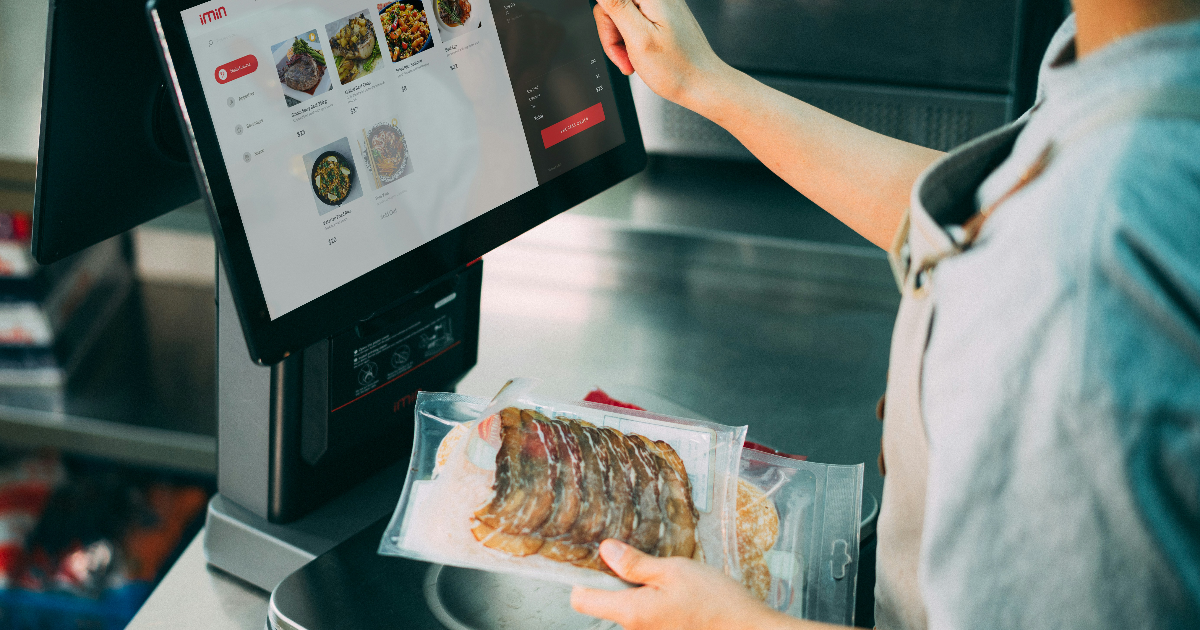
Before evaluating alternatives, define your non-negotiables.
A fast-casual operator in a single location has completely different needs than a resort property running multiple F&B outlets.
- Real-time access to data, remote management, and automatic updates via cloud systems are now baseline requirements for modern POS platforms.
- Look for systems with a true offline mode that can process orders and payments locally, and then sync when connectivity returns.
- Evaluate the integration system, and see which tools the system connects natively with.
- Locked-in hardware models inflate long-term costs. iPad-native or cross-device platforms give you more flexibility as the business scales.
- 45% of restaurant operators say they want to rely more on business analytics. A POS that surfaces actionable insights gives you a real operational edge.
Check Out: Common Hotel POS System Problems and Their Solutions
The Best Aloha Alternatives for Modern Restaurants

1. Aireus POS
If your operation sits anywhere in the hospitality sector, Aireus POS is perfect for you.
Aireus is not adapted from a retail platform. It is an AI-powered, Apple-native POS system designed specifically for restaurants, hotels, and resorts.
- Aireus runs exclusively on iOS, combining Apple's reliability and premium hardware with a cloud-based SaaS backend.
- Includes AI-powered reporting with ChatGPT integration. Ask questions in plain language about sales, peak hours, or top-selling dishes and get detailed answers with actionable insights. Aireus is one of the few POS platforms bringing GPT-powered summaries to the operations level.
- With Aireus, every iPad terminal runs independently. Orders and payments are processed locally even without internet, and then sync automatically once connectivity returns.
- Get lifetime free software updates. Aireus continuously adds capabilities at no additional cost.
Explore: Best Label POS System Providers (Updated List)
2. Toast POS
Cloud-based POS system built exclusively for foodservice, Toast is one of the popular ones on the market.
- Toast POS uses Android systems for most of its operations. However, you have to purchase their proprietary hardware, which can be expensive.
- Get a strong reporting suite with staff performance tracking, shift reports, and detailed sales breakdowns.
- Offline mode allows staff to view menus but cannot record new sales, process kiosk orders, or manage shifts without connectivity.
- Free tier available, though meaningful features like inventory and multi-location tools add significant costs through add-on modules.
You Might Also Like: 10 Best Toast Alternatives for POS in 2025

3. TouchBistro
TouchBistro runs only on Apple iPads, giving it a familiar, intuitive interface that staff typically master within an hour of training.
- Tableside ordering and payment via iPad reduces order errors and speeds up table turns.
- Offline-first architecture records every order even without internet, then syncs when the connection returns.
- Floor plan and table management tools let managers customize seating layouts and track covers in real time.
Check Out: Best POS Systems for Small Businesses
4. Square POS
Square built its name on accessibility: flat-fee processing, intuitive setup, and a free entry-level tier that lets small operators get started with minimal upfront investment.
- Get started the same day. No reseller required. Sign up online, connect an iPad, and you're operational. However, if you’re not a very small business, you might require setup by the Square POS team as an add-on.
- Transparent pricing with no hidden fees. This is a major differentiator from legacy platforms that price through resellers.
Explore: How to Use AI in Restaurants? Expert Guide
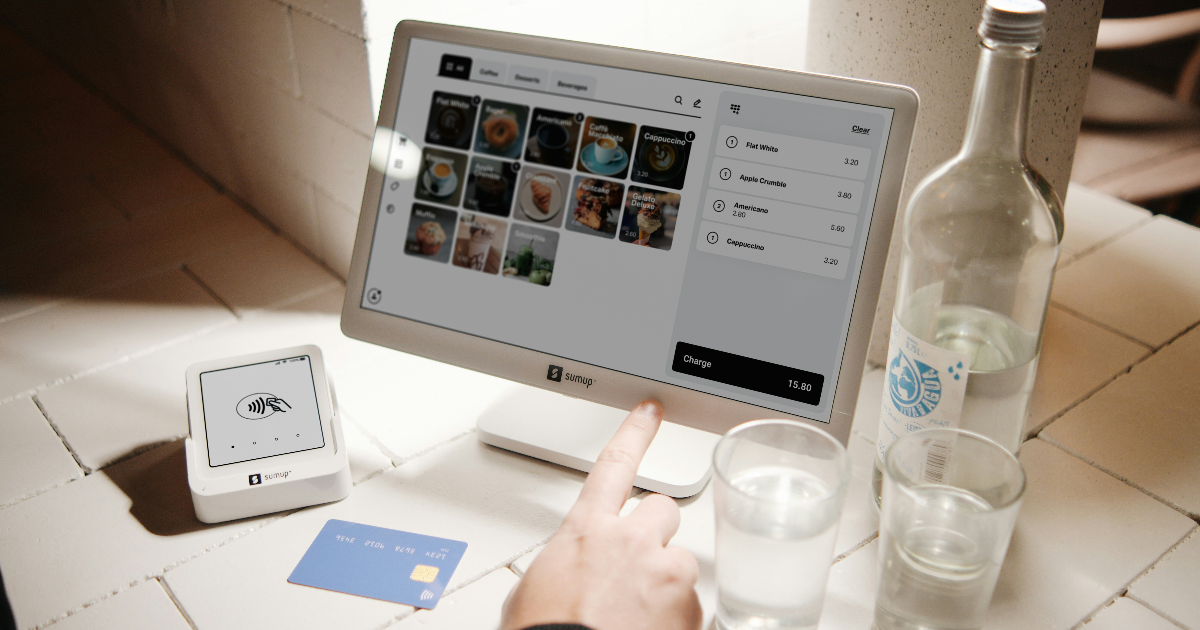
5. Lightspeed Restaurant
Lightspeed is a great retail POS that also offers services to restaurants. It provides strong support for restaurants with complex inventory needs.
- Multi-location dashboard lets operators compare performance across sites and apply menu or pricing changes globally.
- Item-level inventory tracking helps reduce waste and improve supplier management.
- Strong loyalty and CRM tools built natively into the platform.
- Lightspeed’s monthly pricing is higher than Square or Clover at $69 a month for their starter plan, and it is complex and time-consuming to set up.
You Might Also Like: iPad POS System for Restaurants
6. Lavu POS
Lavu is purpose-built for restaurants and positions itself as an affordable, mobile-first alternative to legacy systems.
- iPad-based mobile POS with tableside ordering and kitchen display integration. Devices are not software locked.
- If you sign up for Lavu, you cannot choose your own payment processor (Stripe, Authorize.net, etc.).
Check Out: What is White Label POS Software?
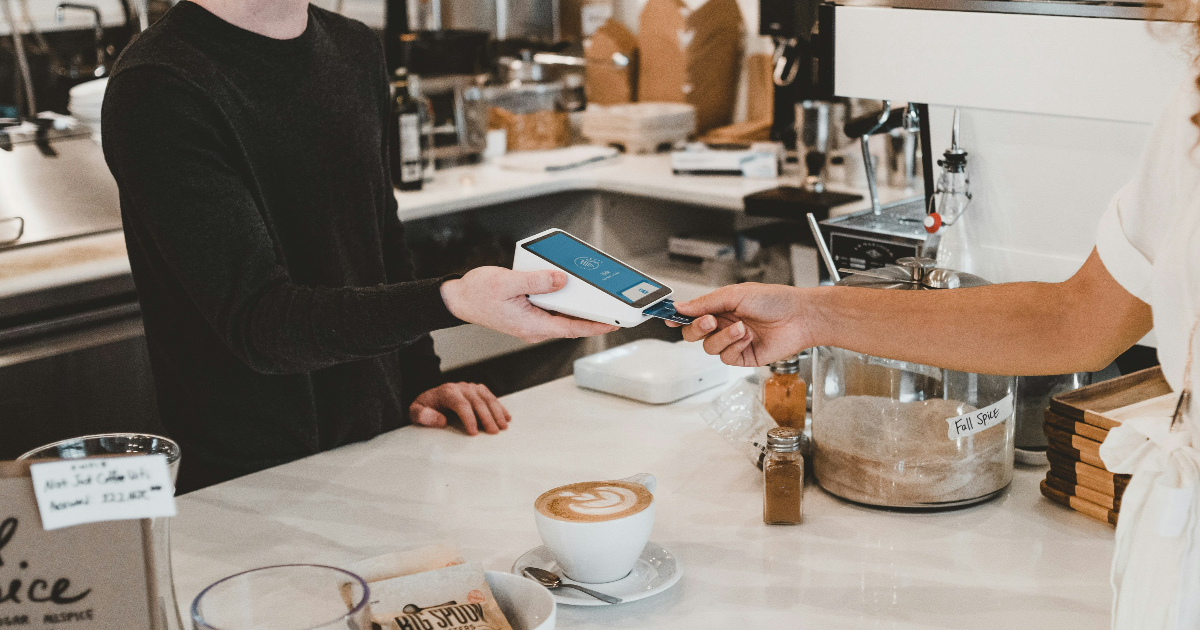
7. SpotOn POS
SpotOn is a cloud-based restaurant POS built specifically for the foodservice industry. It's particularly strong on staff management and marketing tools.
- Free "Quick Start" plan available. Basic plans start at a base rate of $55/station a month.
- SpotOn Teamwork is a standout feature as a built-in labor management app for scheduling, tip tracking, payroll exports, and two-way staff messaging.
- Using third-party payment solutions is supported, but it can add significant costs.
- SpotOn struggles with offline connectivity and syncing. This is a critical risk worth testing before you commit.
Summary: The Best Aloha Alternatives for Modern Restaurants
System
Best For
Hardware
Offline Mode
AI Reporting
Aireus POS
Restaurants, Hotels, Resorts
Apple iPad (native)
Full offline processing
ChatGPT-powered
Toast
Full-service restaurant, QSR
Android (proprietary)
Limited
Basic
TouchBistro
Full-service dining, food trucks, QSR
Apple iPad
Full offline processing
Basic
Square
Small operators
iPad / Android
Limited
Basic
Lightspeed
High-volume, multi-location groups
iPad / Android
Limited
Moderate
Lavu
Independent restaurants
Apple iPad
Full offline processing
Basic
SpotOn
Small-to-medium restaurants
Android
Limited
Basic
See why hospitality operators are making the switch. Book a personalized Aireus demo and experience the difference firsthand.
FAQs (Frequently Asked Questions)
Q. What is the main reason restaurants switch from Aloha POS?
A. Restaurants switch from Aloha POS to overcome high maintenance costs, outdated hardware, and a lack of integrated, modern features like online ordering. Stronger focus on user experience, mobile payment, and lower upfront costs make cloud systems more attractive, despite Aloha's historical robustness.
Q. Is Aireus POS a good Aloha alternative for hotels and resorts?
A. Yes. Aireus is one of the only platforms built specifically for hotel and resort environments. It includes native features like room charge posting, poolside ordering, in-room dining, mini-bar management, and multi-outlet synchronization, built into the platform.
Q. How much does switching from Aloha POS to a new system cost?
A. Total cost depends on your outlet count, hardware needs, and chosen platform. Cloud-based systems typically have lower upfront costs than legacy on-premise installations.
Q. Can modern Aloha alternatives work offline?
A. Most leading alternatives offer some form of offline functionality. Aireus POS provides full offline processing. Every iPad terminal operates independently, taking orders and payments even without internet, then syncing automatically when connectivity returns.
Q. Does Aireus POS integrate with hotel property management systems (PMS)?
A. Aireus POS integrates with hotel PMS platforms, allowing seamless room charge posting, guest profile management, and folio synchronization. This is particularly valuable for hotel restaurants and resort F&B operations where charges need to flow directly to guest accounts.
Q. Is it difficult to train staff on a new POS system after using Aloha?
A. It depends on the platform. iPad-native systems are designed with intuitive interfaces that most front-of-house staff pick up within an hour or two. Plan for a 1–2 week ramp-up period, and use the vendor's onboarding support resources fully.